
George Harrison wrote this song for a Beatles album but it was rejected after 100 takes
Sponsored
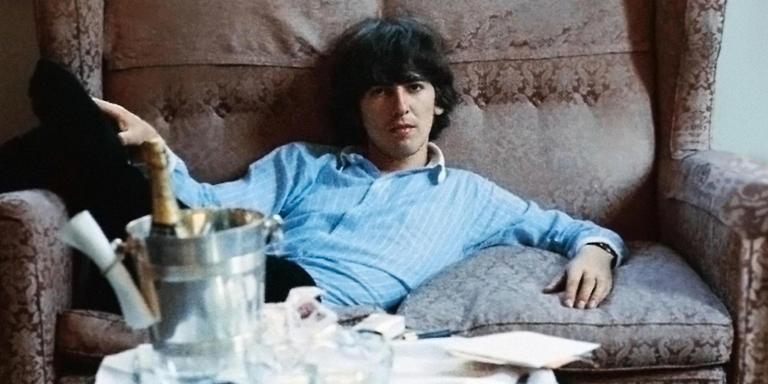
The Beatles were already reaching breaking point when they were working on The White Album; countless fights, arguments, and walkouts almost became a typical day in the studio with the Fab Four, with some songs heading to the trash can rather than the album. One of the songs was a song that George Harrison wrote, which was “Not Guilty,” even after over 100 takes.
"Not Guilty" Was Inspired by the Beatles' Trip to India
Some of the band's finest songs were released after their trip to India, including John Lennon’s Across the Universe, which took him months to complete. However, it was a trip that could have brought the band together as one, but not even a trip to a different part of the world could unite them. Instead, it resulted in the band leaving India unhappy, and Lennon and Harrison letting their songs do the talking for them.The trip was partially to do with Harrison associating the band with Indian instrumentation and the teachings of the Maharishi. However, The Beatles quickly denounced the Maharishi after rumors began to spread about alleged inappropriate advances to female students. While Paul McCartneyandRingo Starrwere not as interested in the Maharishi, Lennon would write “Sexy Sadie” to hit out at the Maharishi after the rumors spread.
In response to “Sexy Sadie,” Harrison penned “Not Guilty,” a song that criticizes McCartney and Lennon for the way they had sidelined him. Perhaps “No Guilty” was a result of the times over the years when Harrison felt disregarded and left out by the powerful Lennon-McCartney duo, especially when it came to Harrison writing songs and Lennon-McCartney getting the credit and the applause. Tensions had been brewing between them long before the trip, so even if “Not Guilty” was never written, a song about them could most likely end up in Harrison’s songbook.
Why Was "Not Guilty" Rejected?
The Beatles are considered the greatest band for many reasons, with one of them being due to having extremely high standards in their music. Even after 102 takes, the band, including Harrison, was not 100% happy with “Not Guilty,” but that was not why it was rejected. The recording executives chose to leave it off the album, to Harrison’s dismay, due to its lyrical content, as it revealed his growing tensions and frustrations with McCartney and Lennon. Not wanting to expose the band’s ongoing tension and strife, it was ultimately decided that “Not Guilty” would be excluded. However, to Lennon’s delight, “Sexy Sadie” made its way onto the tracklist.
The Beatles’ way of working includes many takes, as perfectionism triumphs over anything else (like McCartney’s “Maxwell’s Silver Hammer”, for example). However, Harrison spent two days getting Starr, Lennon, and McCartney to learn “Not Guilty,” which resulted in 102 takes. This was the most amount of takes that the band has ever recorded in a session ever.

Despite using 102 takes, only 20 of these takes were completed. A great amount of the takes were time spent perfecting and learning the song. However, with 102 takes of learning and recording “Not Guilty,” a song that expressed Harrison’s frustrations with McCartney and Lennon, the other members became less interested in recording the song. Sadly, 102 takes would end up being meaningless.

Comments